

October is when uniform habits show. Four teams wear their seasons differently, and if you are starting a wardrobe from scratch, these are the four patterns worth copying.
- Some programs lean on one colorway all season, some cycle three or four, and most fans are surprised by how different those two approaches feel in November.
- Starting a wardrobe with a home jersey and nothing else is the most common mistake, because the second home game is the one where the alternate shows up.
- Number-only styles are the ones that survive a season, because they never become attached to a player who leaves.
- One team on this list changes jerseys more than the other three combined, and the shopping list for it is completely different.
Every college football program has a uniform habit, and by the fourth week of the season you can tell what it is from the parking lot. Some schools show up in the same color every Saturday. Some rotate. One or two will introduce a look nobody in the stadium has seen before, usually in the game nobody expected.
Why the habit matters if you are starting from zero
Uniform habits change what a new fan should buy first. A program that wears one colorway all season needs a single, properly fitted jersey. A program that rotates needs a set, and buying one piece for it is how people end up with a closet that somehow never has the right color on it.
The good news is that none of this is hard to find out. Look at the last four Saturdays of any season and count the colors. That is the shopping list.
The four patterns, and what each one asks of you
The school that never changes anything is the easiest. Buy the home colorway, get the fit right, and you are set for October through the postseason. The school that splits home and away is next, and the trap is thinking the away one is optional. It is the one you wear in every rivalry game and every neutral site, which is a lot of Saturdays.
Then there are the rotators, and they need a different plan: when a program cycles three or four ways in a season, a single purchase covers maybe half the calendar. And then there is the reverse, the one-game-a-year style that shows up in November or December and is worn by almost nobody who did not buy it on purpose. Which one you are dealing with decides everything about the rest of your list.
| The habit | What it means for you | What to buy |
|---|---|---|
| One colorway all season | The same jersey every week, which means fit matters more than variety | One home jersey, fitted properly |
| Home and away only | The away colorway shows up in rivalry games and every neutral site | Home plus away, and nothing else |
| Three or more colorways | The team you picked is a rotating one, and a single purchase will not cover the season | Two at minimum, and plan the third |
| Occasional reverse | One style that only appears in one game a year | Skip it, and buy the everyday one instead |
The number is the part that dates fastest
A player name is a promise about a roster, and rosters change. A number is a statement about a position, and those are more stable. Fans who bought name jerseys in their twenties tend to be the ones replacing them in their thirties.
None of that is an argument against a name. It is an argument for knowing what you are buying, and for making sure the jersey you buy first is the one you will still want in three years.
Ask how many colorways the program actually uses in a season, and buy the answer. A team that rotates four ways needs two purchases minimum, and a team that wears one way needs one.
And the part that is not about jerseys
Whatever you wear in the first four weeks is what you will reach for in January, when it is eleven degrees and the game starts at half past noon. The early-season choices are the ones that actually decide what ends up in your bag in February.
Start with the home colorway, get the size right, and add the second one when the schedule shows you which one you are going to wear. That is a full season, and it is enough.
The same team, three different looks
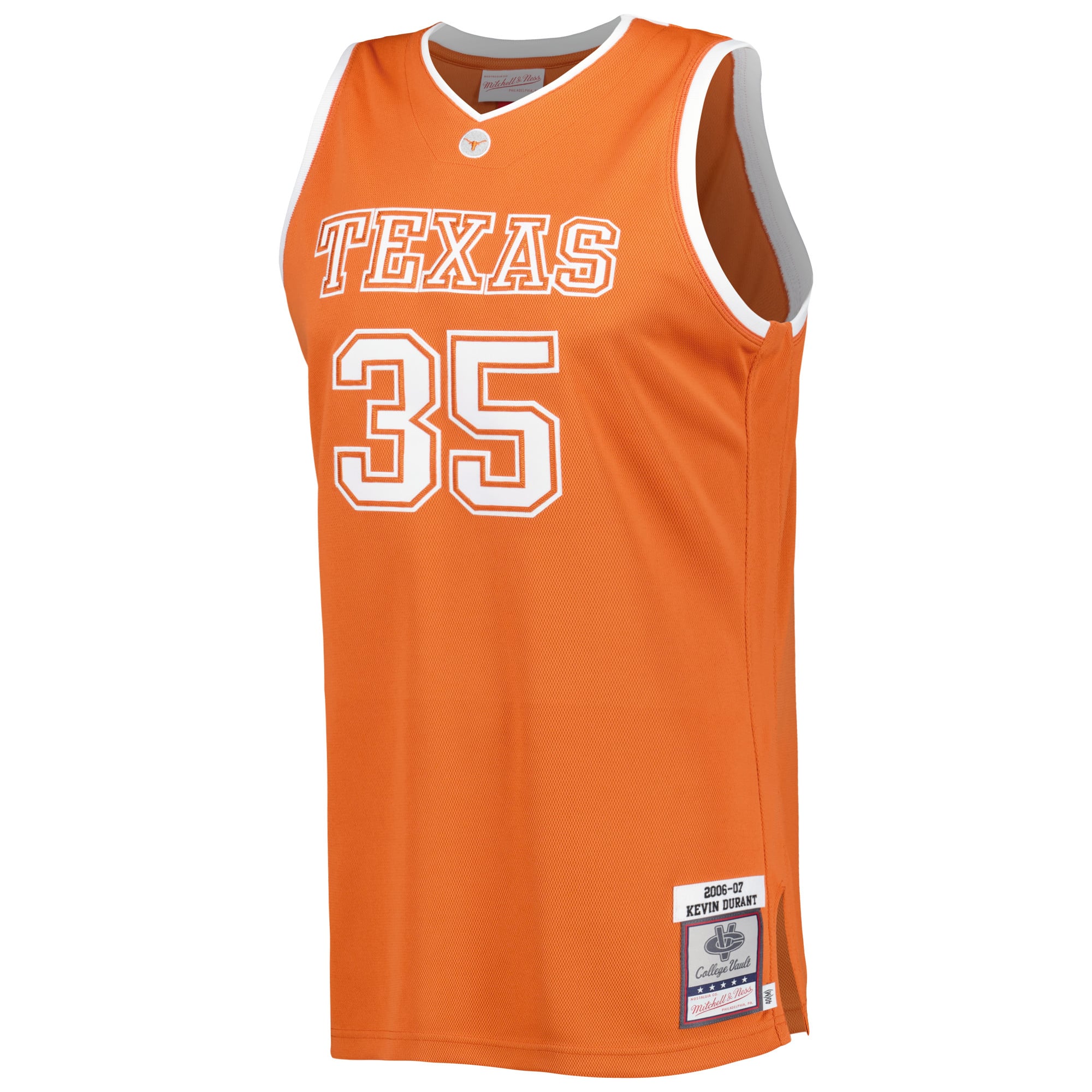
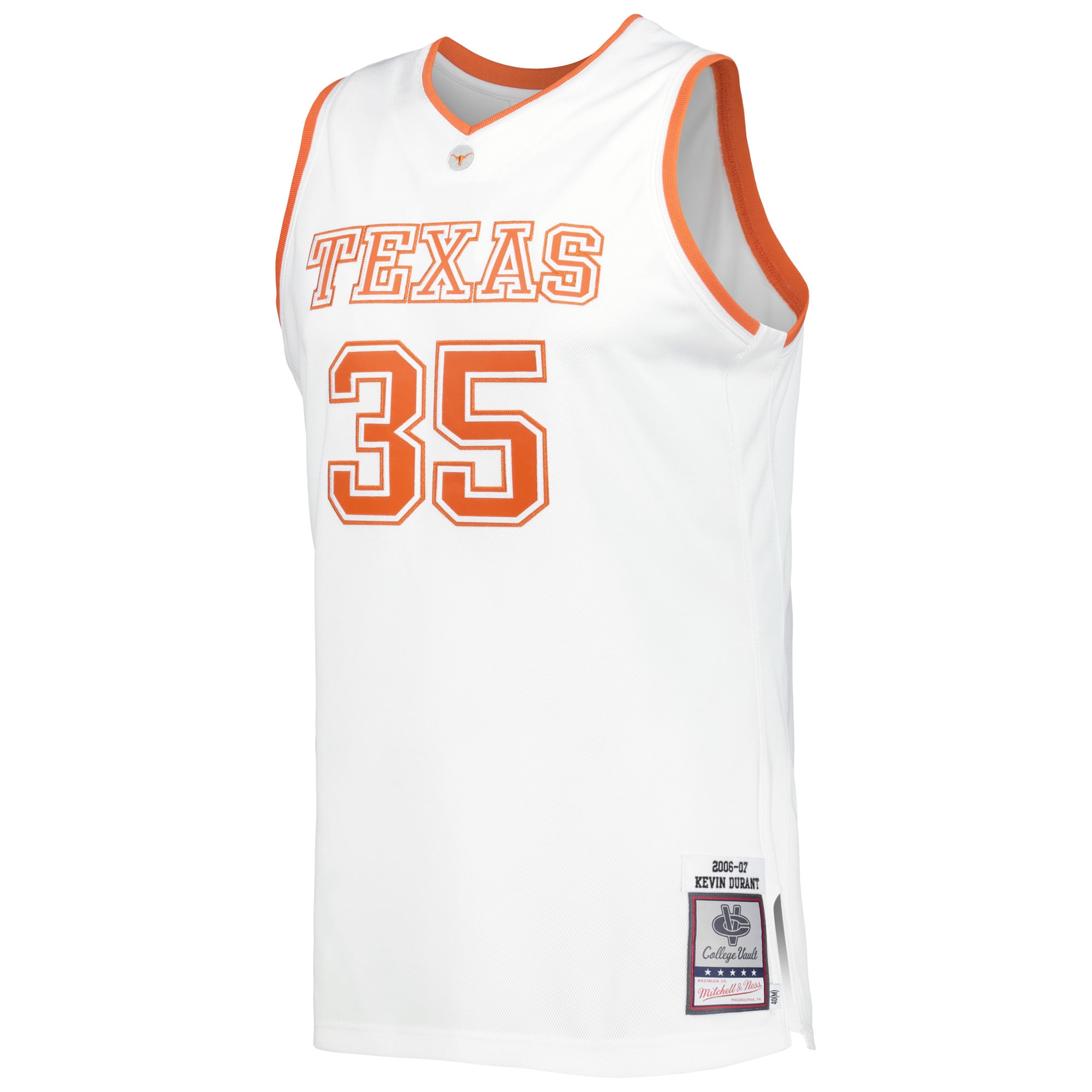
Every colorway below carries the same school name and the same cut. Pick the one that matches the games you actually attend, and the rest of the rotation writes itself.

Front and back, exactly as it ships
What you see in the listing is the garment, not a rendering. The front carries the school name and number, and the back is where the fit details live.

Questions fans actually ask
How many jerseys should a new fan actually buy?
Most programs fall into one of three patterns, and each needs a different answer. Some wear one colorway all season and need one good jersey. Some use two, and need the away one more than fans expect. Some rotate three or four ways, and need a small set.
Should I buy a player name and number?
It depends on whether you are buying for yourself or for a season that might outlast a roster. Number-only styles stay wearable regardless of who graduates.
What is the best way to start a collection?
Home colorway first, sized properly, then the away colorway once the season shows you which one you will actually wear.
How early should I order before a big game?
Earlier than you think. Sizes run out near big weekends, and there is no benefit to ordering on the Thursday before a game.
What if my team changes its look next season?
Then the current jersey becomes a good vintage piece rather than a wasted one, which is not a bad outcome for something you already wore every week.
Browse the full college football and basketball range, or jump straight to the team you came for. Free shipping on orders over $78, and a 30-day return window.
College Fan Hub carries college football and basketball jerseys in fan version, with home, away and alternate colorways across the teams people actually follow.


